Austin, set by hand
Tile Options Wet Areas Prep Service Area FAQ All Floors Call (210) 201-3112
Large format porcelain tile set to an even grout line
Home/Tile Flooring
Tile

Tile installation in Austin and San Antonio.

Porcelain, ceramic and large format tile set by hand onto a subfloor that has been checked and flattened first. Kitchens, bathrooms, showers, laundry rooms, entryways and patios, from San Antonio, Austin and Central Texas.
Call (210) 201-3112
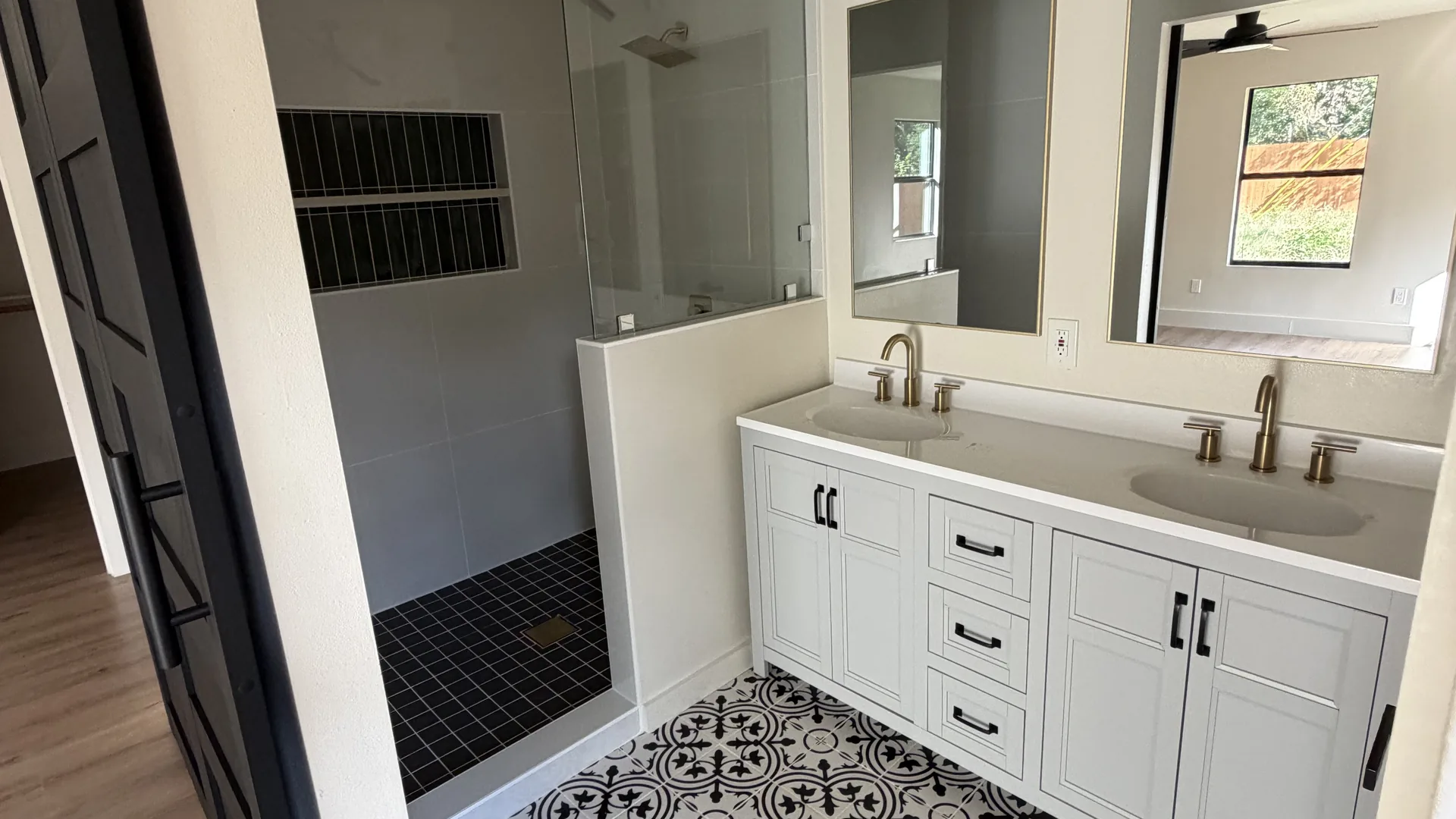
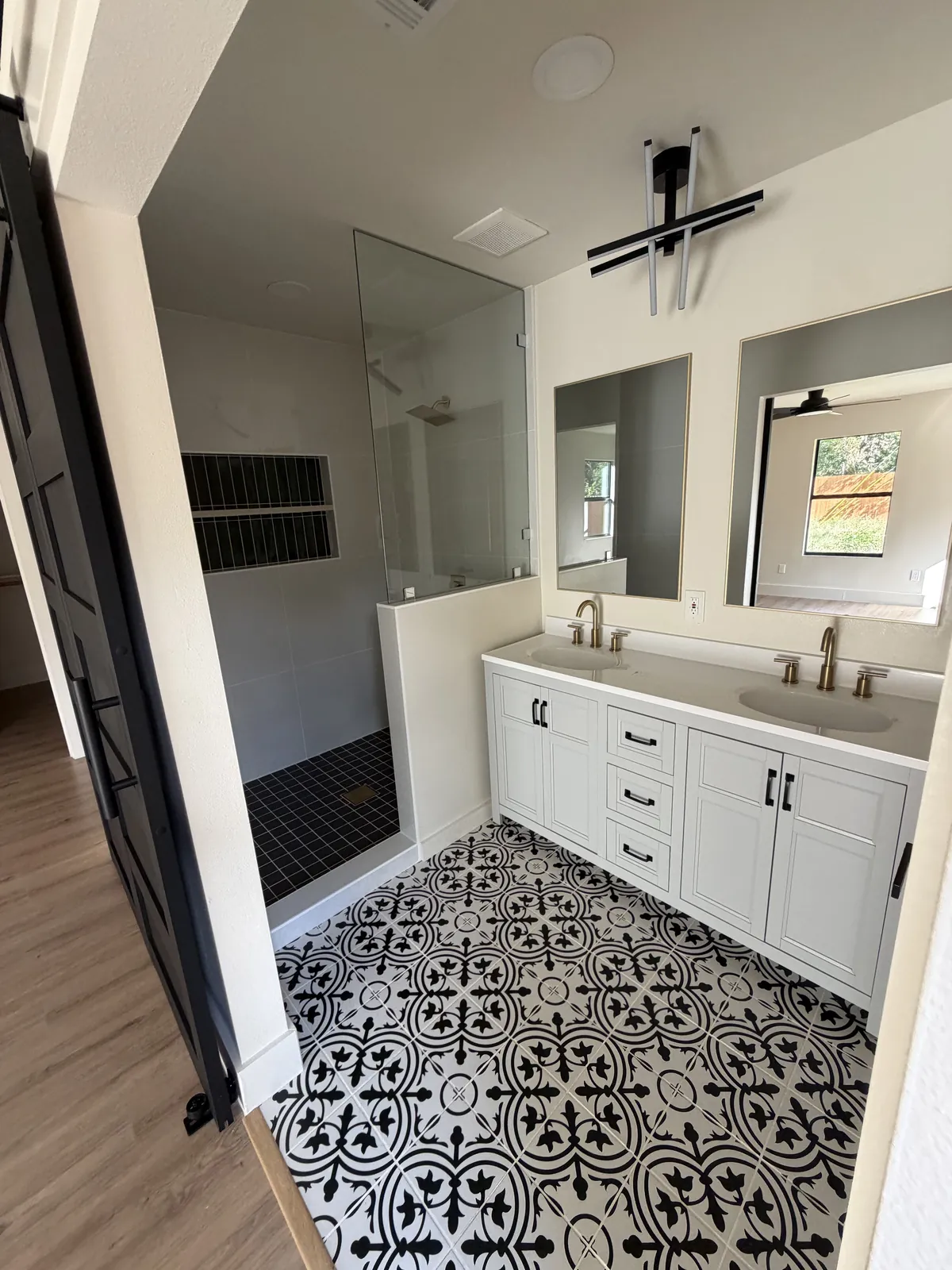
Black and white patterned tile set in a bathroom
What a tile floor actually is

A build up, not just the top layer.

The tile is the last thing to go down and the least of the work. Underneath it there is a subfloor that has to be solid and flat, a membrane where the slab or the room calls for one, a bed of mortar combed out and fully collapsed under the tile, and movement joints left where the floor needs room to breathe. Get any of that wrong and the tile tells on you, usually with a hollow sound first and a crack after.

The owner who installs it lays every tile floor for I Do Floors & Co. The man who walks your kitchen and prices the job is the man kneeling on the floor setting it, so nothing gets handed to a rotating crew halfway through the week.

  • Flat before prettyThe substrate gets checked and flattened first. Every tile problem people blame on tile starts underneath it.
  • Built for water and heatFired clay does not swell, warp or fade, which is why it wins in a Texas kitchen, bath or entryway.
  • Porcelain, ceramic, large formatDifferent rooms want different tile. The one that suits your space is picked at the estimate.
  • Residential and commercialFamily bathrooms through commercial floors and restrooms, same prep, same standard.
What we set

Porcelain, ceramic, and the big stuff.

The workhorse

Porcelain Tile

Pressed denser and fired hotter than ordinary ceramic, so it drinks up almost no water and shrugs off wear. That is what makes it the safe answer for a floor walked on in wet shoes, a laundry room, a shower, or anything sitting outside in the sun. It also comes in the wood and stone looks people usually want, without the maintenance that real wood or real stone brings with it.

FloorsShowersOutdoorWood and stone looks
The classic

Ceramic Tile

Softer than porcelain and easier to cut and shape, which is exactly why it is still the right tile for walls, backsplashes and tub surrounds, and a perfectly good floor in a room that does not take heavy traffic. It costs less than porcelain and the glaze range is enormous. Where it is the better call, the owner will say so instead of talking you into the more expensive box.

WallsBacksplashTub surroundsLight traffic floors
The modern look

Large Format Tile

Big panels with very few grout lines, which is the whole point of them and also the reason they are unforgiving. A large tile cannot bend to follow a dip in the floor, so the substrate has to be genuinely flat, the mortar has to be fully collapsed under the whole tile, and leveling clips hold the edges while it sets. More prep, more work, and a floor that reads as one surface instead of a grid.

Fewer grout linesLeveling clipsFlattened substrate
The wet work

Showers and Wet Rooms

Tile and grout are not a waterproof layer, so a shower is built as a system. Waterproofing goes on first and the corners, the curb and the drain connection are treated as part of it, not as an afterthought. Then the tile goes on. It is the part of the job nobody ever sees, and it is the part that decides whether the wall behind it is still dry in five years.

WaterproofingCurbs and cornersNichesTub surrounds

Tile is not a bathroom-only product. The same work goes into kitchen floors, laundry rooms, entryways, mudrooms, patios and commercial floors. If it is a floor and it gets wet, call and the owner will come look at it.

Recent tile

Tile we have actually set.

Photographed on the job
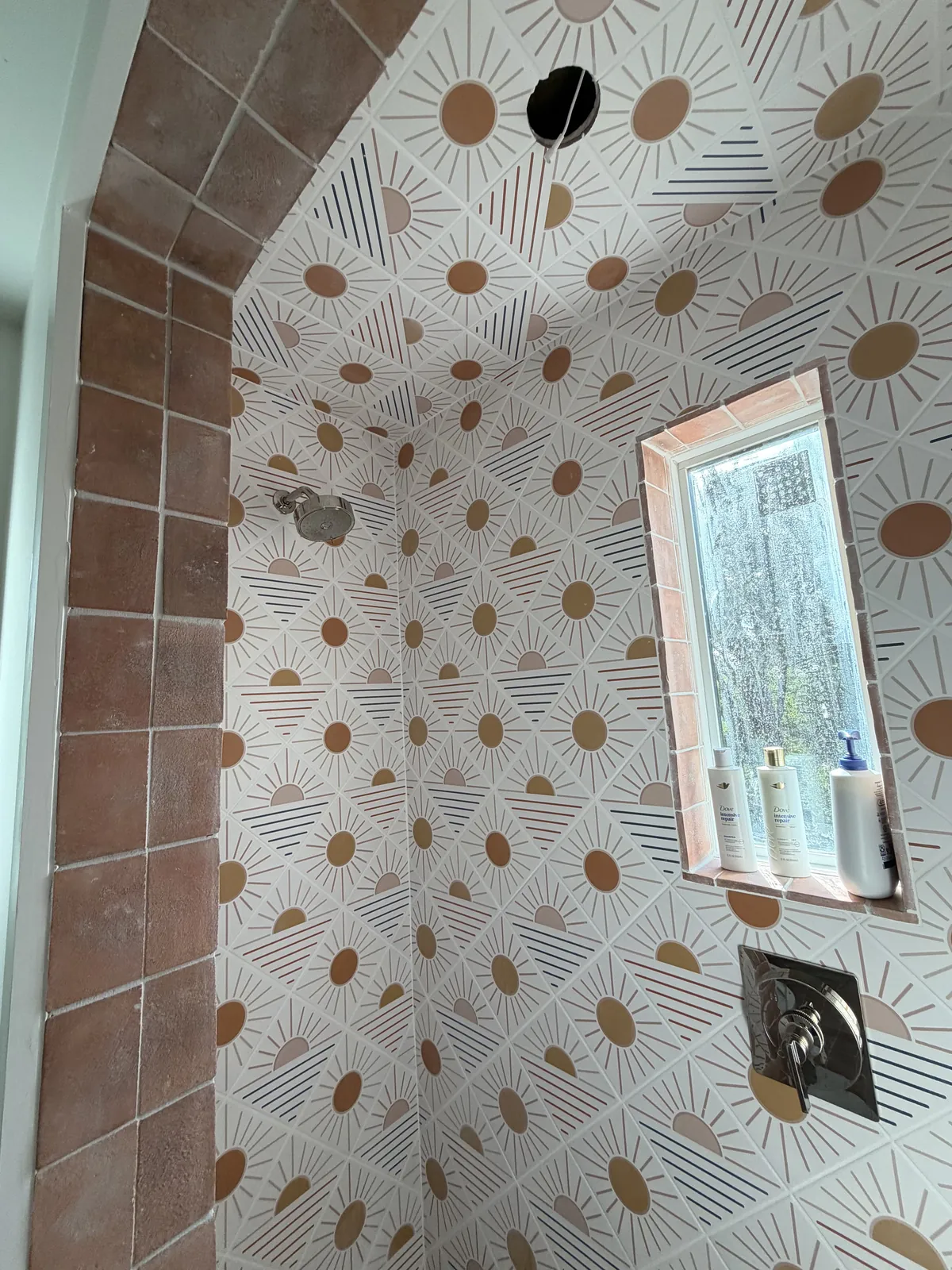
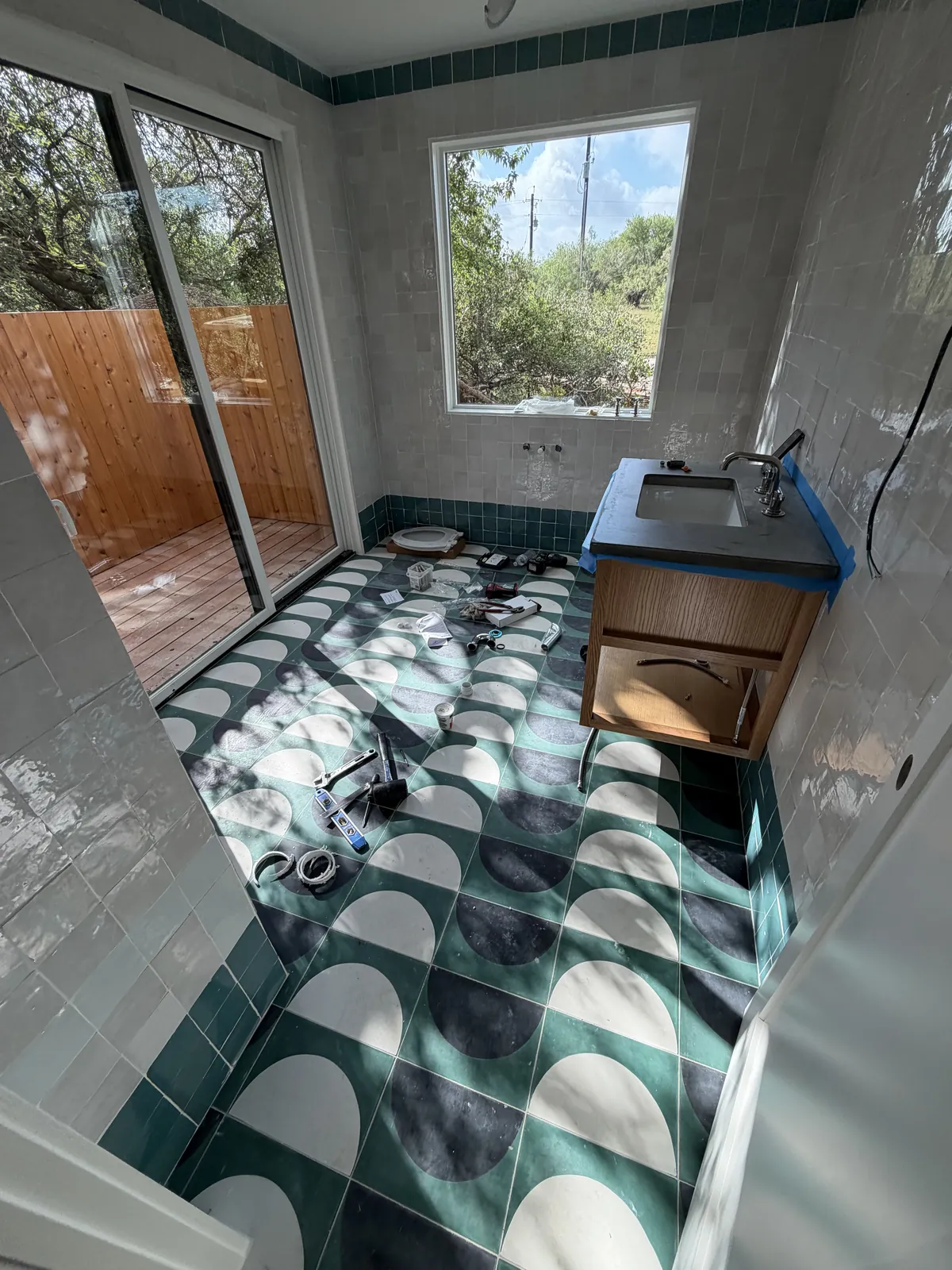
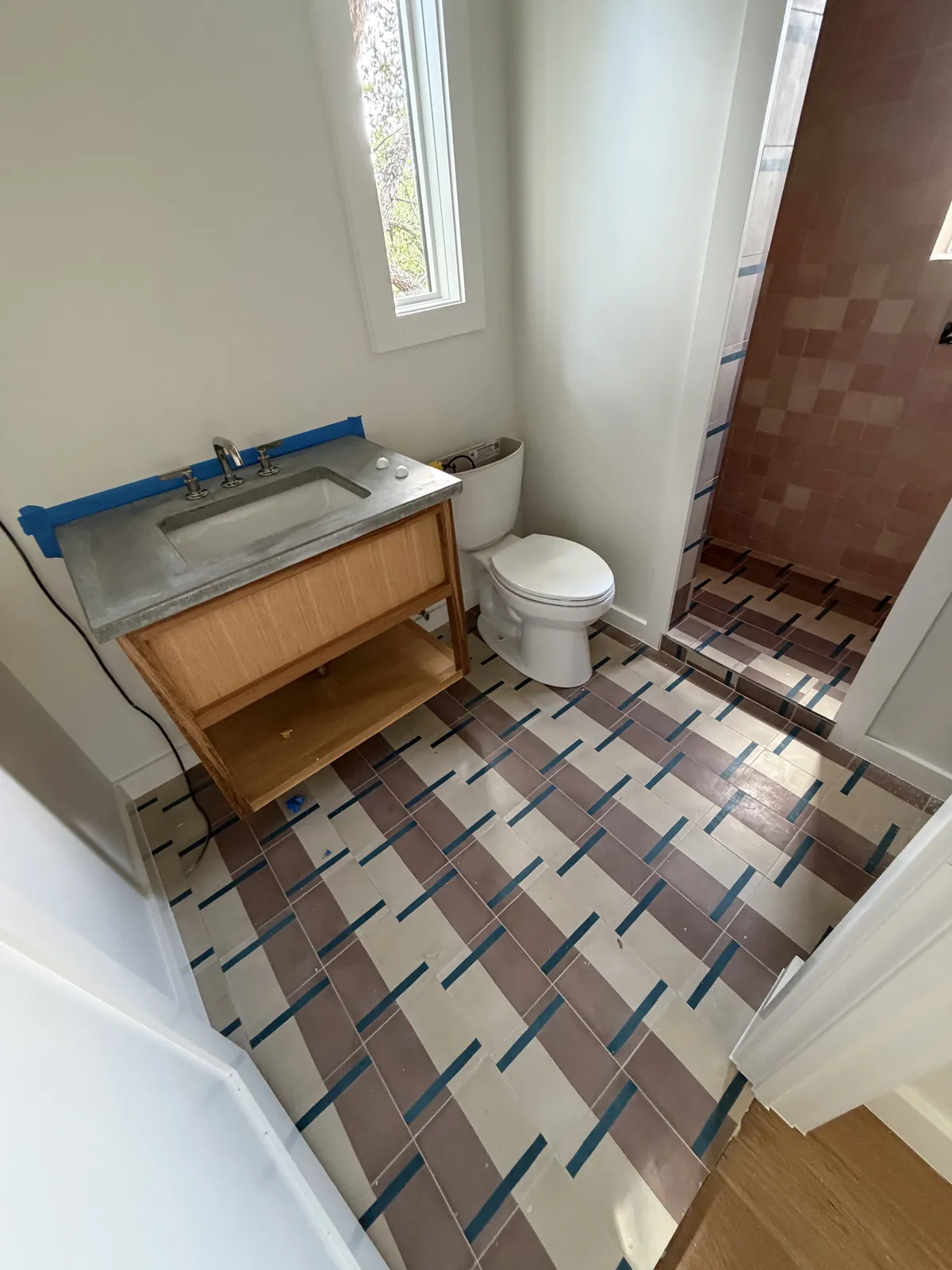
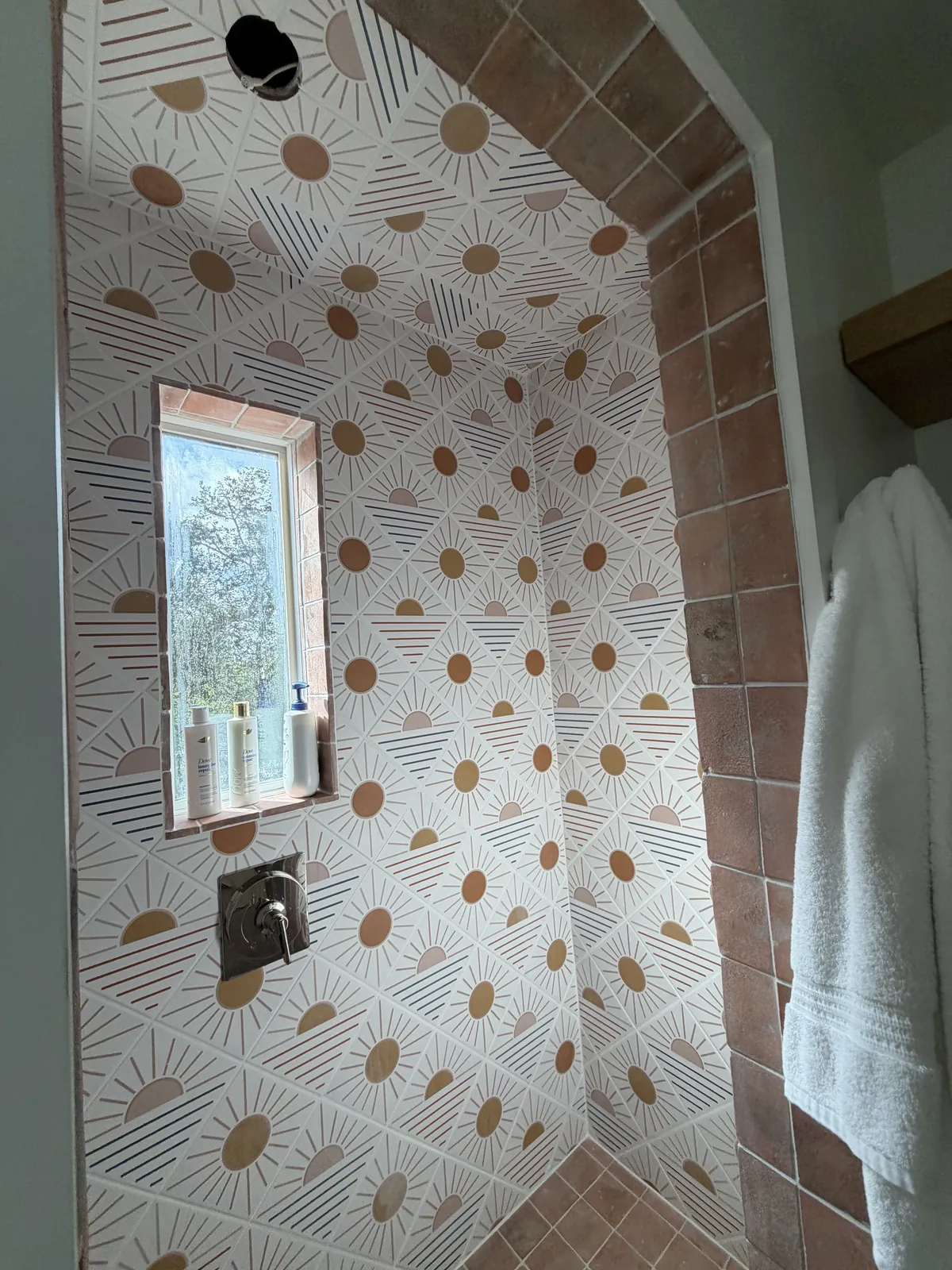
Patterned tile shower floor and walls set by hand Green and white patterned tile floor and surround Terracotta basketweave tile set in a bathroom Tiled shower with a terracotta border
Water and heat

The floor that does not mind Texas.

Fired clay does not swell when it gets wet and does not warp when it gets hot, which is exactly the problem every other flooring material has in this state. That is why tile ends up in the rooms that take water and the ones that take sun, and why it is still there long after the vinyl in the next room has been replaced.

Kitchens, baths and laundry

The rooms where water gets spilled, dripped and tracked. Tile takes it, wipes clean, and does not lift at the edges the way a plank floor eventually will.

Showers and tub surrounds

Waterproofed behind the tile, with the corners, the curb and the drain connection built as one system. Niches and benches get the same treatment, because that is where leaks start.

Entryways and patios

Sun, grit and rain all day. Outdoor work needs a tile rated for it, the right mortar, and joints that let the slab move, so it does not lift the first hot summer.

Which tile suits which room is a decision, not a default. The owner walks the space, looks at what is on the floor now, and tells you what it actually needs before anything is ordered.

Prep is the whole job

Flat first, then pretty.

Almost every tile floor that fails, fails underneath. The subfloor flexed, the slab moved, the mortar never fully collapsed under the tile, or the floor was grouted before the mortar had cured. Here is the order every tile job follows, and none of it gets skipped to save a day.

Check

Strip the old floor and adhesive, then read the substrate. Deflection underfoot, dips, high spots and live slab cracks all get found now, not after the tile is down.

Flatten

Grind the high spots, fill the low ones, and bring the floor inside tolerance. Large format tile is the strictest about this, so the size of the tile sets how far the flattening goes.

Protect

An uncoupling or crack isolation membrane where the slab needs one, and full waterproofing in showers and wet areas. This layer is invisible when the job is done and it is the one doing the hard work.

Lay out

Snap the lines and dry lay before anything is stuck down, so the cuts land where they should. The goal is full tiles where the eye goes and no sliver cut sitting in a doorway.

Set

Comb the mortar out, seat each tile so it fully collapses the ridges underneath, and hold the edges with leveling clips while it cures. A hollow tile is a tile that was never properly bedded.

Grout and seal

Grout goes in only after the mortar under the tile has cured, the movement joints are left as joints rather than filled with grout, and cement grout is sealed once it has cured a few days later.

San Antonio, Austin and Central Texas

Setting tile across Central Texas.

We work out of San Antonio and Austin and cover the Central Texas stretch between them. If your address is in either city or the towns between them, the answer is most likely yes. Call and we will confirm it and book your free estimate.

One of our two home bases. San Antonio kitchens, bathrooms and showers set by hand.

Before you call

Tile questions, answered straight.

Both are fired clay, but porcelain is pressed denser and fired hotter, so it absorbs far less water and takes more abuse. That density is why porcelain is the safer pick for floors, showers, laundry rooms and anything outdoors. Ceramic is softer and easier to cut, which makes it a good wall and backsplash tile and a fine floor in a room that does not take much traffic. The owner will tell you which one your space actually needs at the estimate instead of defaulting everyone to porcelain.

Usually yes. Tile needs a flat, solid, clean surface to bond to, and most old flooring does not give it one. Vinyl, laminate, carpet and old adhesive all come up. Existing tile can sometimes be tiled over if it is well bonded, flat, and the extra height does not fight your doors, cabinets and transitions, but that is a call made on site after the floor is checked, not a promise made over the phone.

A standard bathroom floor is normally a two to three day job. Day one is demo and prep, day two is setting tile, and grout goes in after the mortar under the tile has cured, usually the following day. A shower runs longer because the waterproofing has to be installed and left to cure before a single tile goes on the wall. Nothing gets grouted early to finish sooner, because grouting into mortar that has not set is exactly how tiles come loose a year later.

Tile almost never fails on its own. It cracks because something under it moved. A subfloor that flexes underfoot, a slab crack that keeps opening and closing, or a long run of tile with no movement joint in it will all telegraph straight up through the surface. The fix is prep. The subfloor gets checked for deflection and flattened, an uncoupling or crack isolation membrane goes down where the slab needs one, and the movement joints the floor is supposed to have are left in. All of that happens before any tile is set, and it is the difference between a floor that lasts and one that does not.

Cement grout is porous, so it gets sealed once it has fully cured, which is normally a few days after grouting rather than the same day. Sealer does not make grout waterproof. What it does is buy you time to wipe a spill up before it soaks in. After that, warm water and a neutral cleaner are all it wants. Stay away from acidic or bleach based cleaners, because they strip the sealer first and then attack the grout. In a shower or a busy kitchen, epoxy grout is worth asking about, since it does not need sealing at all.

Yes, and almost all of it comes down to flatness. A large tile cannot bend to follow a floor, so a dip a small tile would have hidden turns into a lipped edge you can feel with your foot. Large format needs a flatter substrate, full mortar coverage under the tile rather than dabs, and leveling clips holding the edges while it sets. It is more prep and more work, and it is worth it, because fewer grout lines is the whole reason people want it.

Yes to both. Tile and grout are not a waterproof layer, so a shower gets a proper waterproofing system behind the tile, with the corners, the curb and the drain connection treated as part of that system rather than as an afterthought. It is the part nobody ever sees and the part that decides whether the wall behind it stays dry. Skipping it does not save money, it just moves the cost a few years down the road.

Free in-person estimate

Get your tile floor priced properly.

Tell us the room, what is on the floor right now, and the tile you have in mind. Someone answers, books the walkthrough, and the owner prices it standing in the room. A floor cannot be priced from a photo.

Mon to Sat · 8 AM to 6 PM Central Texas · San Antonio and Austin @idofloorstx

Online, replies instantly